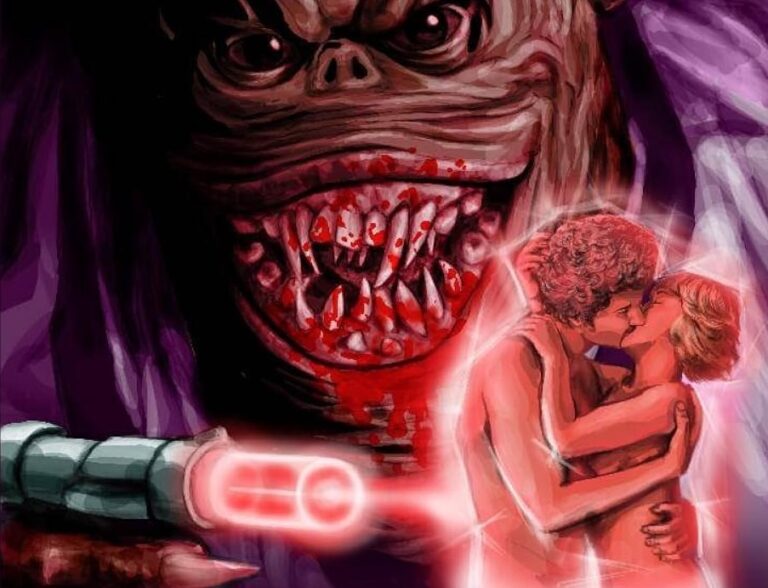
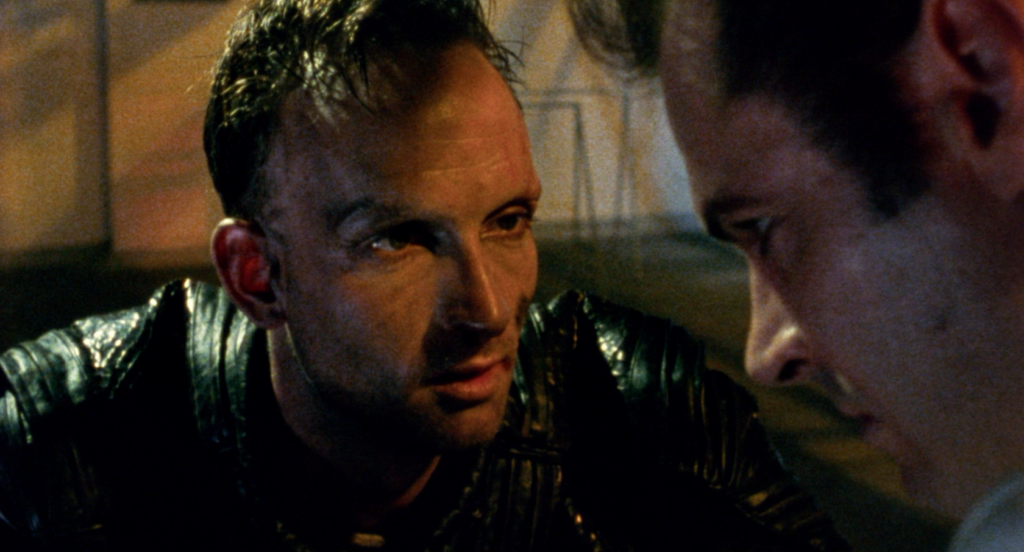
DEATH WARMED UP (1984) An inventive and highly energetic New Zealand splatter flick about a young man named Michael (Michael Hurst), who’s given an experimental mind control serum by fiendish Dr. Howell (Gary Day), which results in Michael killing his own father, Howell’s colleague/nemesis. Seven years later, Michael, along with some friends, travels to a small island for a weekend getaway, but it’s all a ruse so that Michael can exact revenge on Howell, who secretly lords over the island with his army of brainwashed zombie killing machines, plus a couple of Mad Maxish henchmen. A gory bit of fun, this is actually too short, with the viewer wondering what happened to Michael in those seven missing years – and why his hair has turned platinum blond – but the movie moves at such a fast pace you might not care. This gets points for having a male being the protagonist in your typical damsel-in-distress scenario, and for his unnecessarily gratuitous shower scene. B+
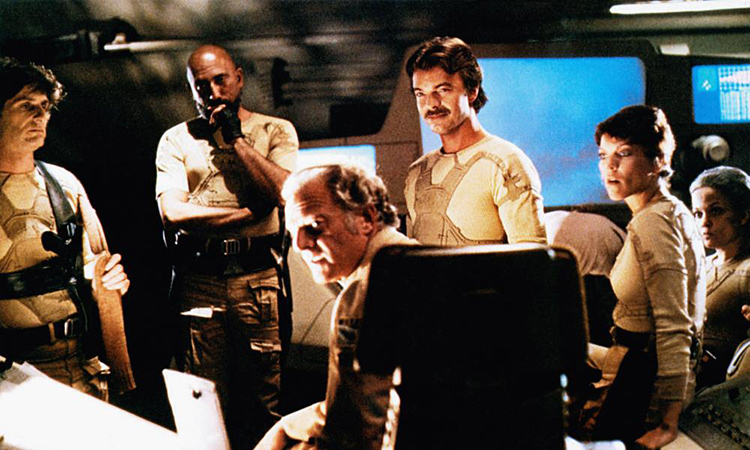
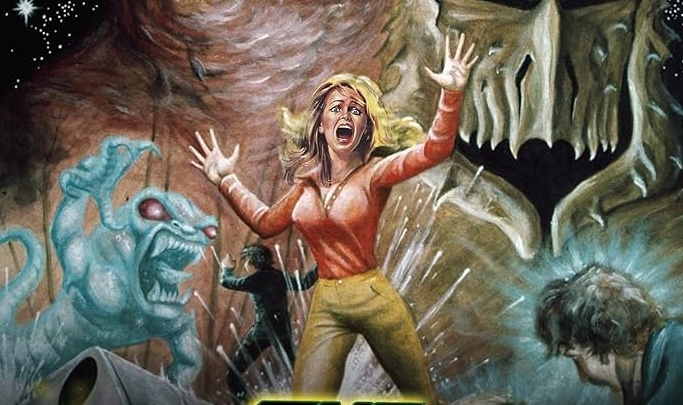
GALAXY OF TERROR (1981) A futuristic search-and-rescue team is sent to a distant planet to find a missing spaceship, but instead discovers bloodthirsty creatures with sharp teeth in this Roger Corman quickie. Using the blueprint for Alien, this features a group of space officers – including a smug commander (Zalman King), a tough female captain (Grace Zabriskie), and a scaredy cat novice (Jack Blessing) – who’re systematically splattered down by all manner of tentacled critters, which are the products of a Survival of the Fittest game designed by an advanced alien race, or some such nonsense. What separates cheap junk like Galaxy of Terror from Alien is its inability to get the viewer to give a shit about its Who Cares? characters. The filmmakers understood this and placed all their energy into the gory special FX, many of which are impressive. The downside is when said beasties aren’t on screen the movie is a yawnfest. C–
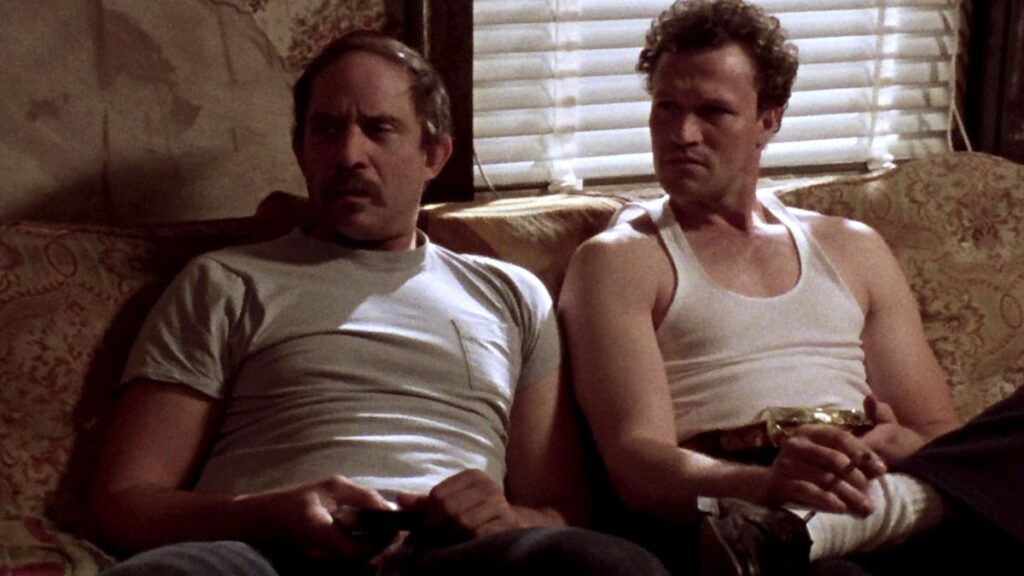
HENRY: PORTRAIT OF A SERIAL KILLER (1986) The infamous slasher biopic loosely based on real-life serial killer, Henry Lee Lucas, who claimed to have murdered over 100 people – a statement that was later disproven. Months after being released from prison for supposedly killing his mother and her lover, Henry (Michael Rooker), and his slimeball roommate, Otis (Tom Towles), go on a murder spree in order to satisfy their bloodlust. Things get complicated when Otis’s naive sister, Becky (Tracy Arnold), moves in and begins a romance with Henry. Due to a never-ending battle with the MPAA over the movie’s overwhelmingly intense atmosphere of violence, it wasn’t officially released until 1990 (and direct to video). To say Henry is more graphic than William Lustig’s Maniac (which Henry borrows quite liberally from), is a credit to Henry‘s more “serious” tone. The real reason Henry is distressing is because its characters are grounded in reality. Rooker is both scary and convincing in the title role, while Arnold is personable and sympathetic as the ultimate victim. Somewhat overpraised by critics (the same ones who snub slasher movies), the film doesn’t contain any transgressive ideas on serial killers. But, its grim, oppressive approach to the subject is honest, and horrific. B+
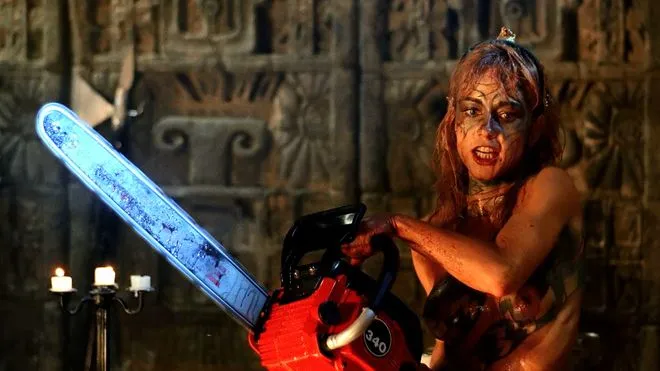
HOLLYWOOD CHAINSAW HOOKERS (1988) While searching for a woman named Samantha (Linnea Quigley) in the seedy Los Angeles underbelly, private detective Jack (Jay Richardson) stumbles upon a group of murderous sex workers who use chainsaws to slice up their male clientele. When Jack finds Samantha, she informs him she’s infiltrated the group to get revenge on the group’s leader, a chainsaw-worshipping cultist (Gunnar Hansen – get it?) who killed her friend months earlier. Perhaps Z-movie auteur Fred Olen Ray’s (Scalps, The Alien Dead) best looking movie, Hollywood Chainsaw Hookers is, surprisingly, good. If the title didn’t give it away, HCH is gory, campy horror, but it’s first and foremost a satire on slasher flicks, L.A. culture, and the overt excesses of the ’80s. This isn’t to say the movie is perfect – far from it. It’s at times stiff and amateurishly acted. Yet it’s weirdly charming and often very funny, especially Quigley, who’s comedic timing with Richardson is spot-on. Best credit ever: “Screenplay Drastically Rewritten and Improved Upon by Fred Olen Ray & T.J. Lankford.” B